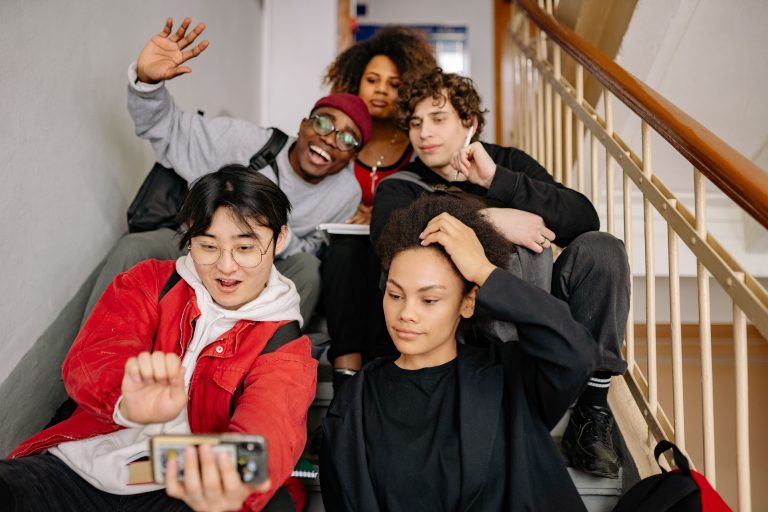

My phone buzzes before I even get out of bed. Canvas notifications. Group chats. Work reminders. Emails from professors. Instagram messages. Texts from friends. Before my day even starts, I’m already connected to dozens of people. Then my schedule begins.
Class. Work. The gym. Student Organizations. Homework. Repeat.
As an over-occupied college student that’s heavily involved with clubs and organizations, I’ve always believed that staying busy meant I was making the most of my college experience. Looking from the outside, it probably seems that way. My calendar always is full, I’m constantly around people, and I’m always communicating with someone. Yet despite all of that, there have been times when I’ve sat alone at the end of the day feeling surprisingly disconnected. That feeling made me wonder: How can someone be connected to everyone, yet still feel alone.

The Loneliness We Don’t Talk About
Loneliness has quietly become one of the biggest challenges facing today’s college students. Unlike previous generations, we have unlimited ways to communicate. Social media, FaceTime, texting, Snapchat, Discord, and other countless other apps make it possible to reach someone almost instantly. But being connected isn’t the same as feeling connected. Many students including myself spend more time interacting through screens than having meaningful, face-to-face conversations. Instead of catching up over lunch, we send a quick text. Instead of asking how someone is really doing, we react to a story with an emoji and move on.
The result is a strange contradiction. We are constantly talking to people, yet many of us still feel like no one truly knows us.

Why So Many College Students Feel This Way
After reflecting on my own experience, I realized that loneliness isn’t always caused by being alone. Sometimes it’s caused by never slowing down long enough to build genuine relationships. For many students, several factors contribute to that feeling:
- Overloaded schedules filled with classes, work, internships, athletics, and
extracurricular activities. - Academic pressure to maintain high grades while preparing for future careers.
- Financial responsibilities that require students to work long hours.
- Social media comparison, where everyone else’s life appears more exciting than our
own. - Limited face-to-face interaction despite constant digital communication.
I realized I had become so focused on checking things off my to-do list that I forgot to make time for the people around me.

My Wake-Up Call
One evening after finishing another busy day, I looked at my phone. My screen-time report showed several hours spent messaging people, scrolling through social
media, and answering notifications. Yet I couldn’t remember the last meaningful conversation I had with someone in person. Even with the ones I cherish the most. That was when it finally clicked. I wasn’t lacking communication. I was lacking connection.

Small Changes That Made a Big Difference:
Once I recognized the problem, I started making intentional changes. None of them were huge,but together they helped me feel more connected to the people around me.
Make Time for Real Conversations:
Instead of relying on text messages, I started inviting classmates to study together, grabbing lunch after class, or simply just calling to check in on loved ones instead of texting, as most of my messages get lost in the chaos of the day. Those conversations often meant more than dozens of messages on my phone.
Treat Friendships Like Priorities:
It’s easy to schedule classes, work shifts, and workouts. Friendships deserve a place on the calendar too. Setting aside even one hour each week to spend with friends can strengthen relationships that might otherwise fade away.
Put the Phone Away:
One of the biggest and most difficult changes I made was being fully present. When I’m talking with someone now, I try not to constantly check notifications. Giving someone your full attention creates deeper conversations and stronger friendships.
Doing this is essential even on trips or taking some time to go outside, I had to learn how to live in the moment and not just do something for a
picture or video. Yes, it’s great to capture the moment, but it’s even more rewarding to actually live in it.
Get Involved on Campus:
College campuses are filled with opportunities to meet people with similar interests.
Some of the easiest ways include:
- Joining student organizations.
- Attending campus events.
- Participating in intramural sports.
- Volunteering for community service projects.
- Studying with classmates instead of alone.
The more often you see the same people, the easier it becomes to build genuine friendships.
Take Advantage of Campus Resources:
Many colleges offer free services that students overlook, including:
- Counseling and mental health services.
- Wellness programs.
- Peer mentoring groups.
- Student success centers.
- Workshops focused on stress management and wellness
Asking for support isn’t a sign of weakness, it’s one of the healthiest decisions a student can make as it shows you care about your wellbeing instead of just living through the worst case possible.
Create Healthy Boundaries with Social Media:
Social media isn’t the problem by itself. The problem comes when online interactions replace real ones. Simple habits like these can help:
- Put your phone away during meals.
- Limit unnecessary scrolling before bed.
- Spend time with friends without constantly checking notifications.
- Focus on experiences instead of documenting every moment.

More Than Just Staying Connected
Looking back, I realized that my loneliness wasn’t caused by having too few people around me. It was caused by moving so fast that I never slowed down enough to build meaningful relationships. College is often described as one of the best times to meet lifelong friends, but those friendships don’t happen automatically. They grow through shared experiences, intentional conversations, and simply being present. Technology will always keep us connected. But real connection comes from the conversations that happen away from the screen.
Sometimes the best way to feel less alone isn’t by finding more people to follow online, it’s by putting the phone down, looking up, and getting to know the person sitting next to you.