A few months ago, I seen the reality of some of my peers’ situations, where they were stressed trying to the right to find jobs or opportunities with their earned or soon to be earned degree. That made me ask myself a simple question: “What job is best suited for not only my degree, but also will that career help me make my desired income?”
It’s a fair question. After all, many students invest $25,000 to $40,000 per year in college, expecting that diploma to translate directly into a career. But after talking with professors, recent graduates, mentors, and peers, I realized something important: a degree opens doors, but it doesn’t guarantee that someone will walk through them. In today’s job market, employers are looking for more than academic achievements. They want experience, leadership, communication skills, and professional connections. That reality has become even more important as recent college graduates face increasing competition. According to data from the Federal Reserve Bank of New York, roughly 42% of recent college graduates are underemployed, meaning they work in jobs that typically do not require a bachelor’s degree. You can find that article here.
The students who succeed after graduation often begin preparing long before senior year.

Think Beyond the Classroom
The most successful students don’t treat college as four years of classes; they treat it as four years of career preparation. Every semester presents opportunities to develop professional experience, leadership abilities, technical skills, and relationships that can create opportunities later. Instead of asking, “How do I pass this class?” students should ask, “How does this help me become the professional I want to be?”
That shift in mindset can change everything.
Experience Matters More Than You Think
One lesson I consistently hear from employers and recent graduates is that experience often separates candidates with similar degrees.
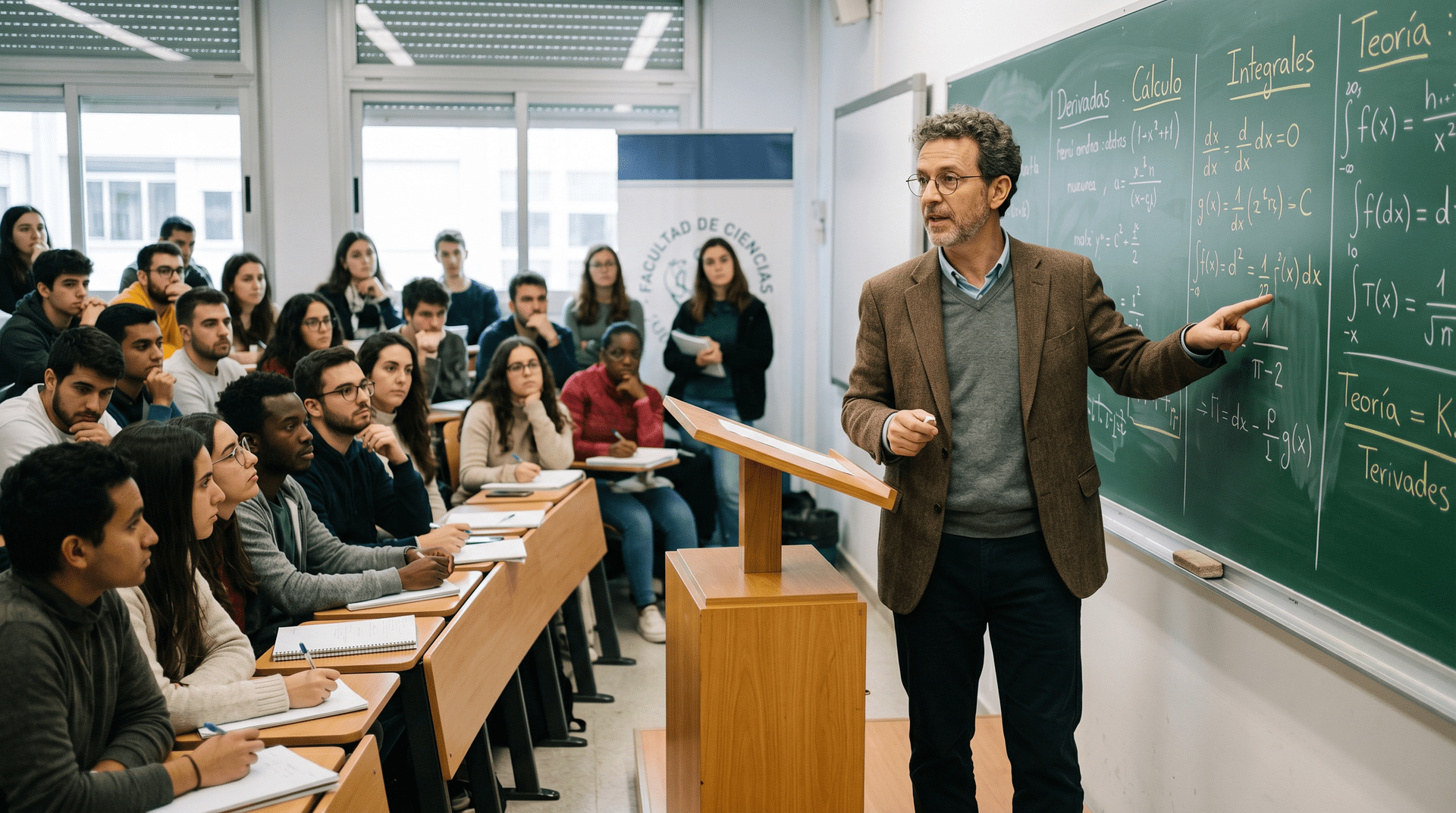
Whether it’s an internship, campus job, volunteer position, research project, or student organization, every experience teaches valuable workplace skills. In fact, the National Association of Colleges and Employers (NACE) found that more than two-thirds of graduating seniors completed an internship, and students with paid internships typically received more job offers and higher starting salaries than those without internship experience.
The goal is simple: graduate with evidence that you can apply what you’ve learned—not just a transcript.

Build Relationships Before You Need Them
Another piece of advice I hear repeatedly is that networking isn’t about asking people for jobs. It’s about building genuine relationships.
Many opportunities never make it to job listings. Instead, they are shared through referrals, recommendations, alumni connections, and professional networks. Some hiring statistics estimate that as many as 70% of positions are filled through networking and referrals rather than traditional applications.
Professors, Alumni, Supervisors, Mentors, and Student Organization Advisors can all become valuable members of your professional network. Often, the opportunities that change careers come from people who know your work and character.
Develop Leadership and Transferable Skills
Employers consistently value leadership because it demonstrates initiative, accountability, and the ability to work with others.
Leadership doesn’t always mean holding the highest position on campus. It can come from leading a volunteer project, mentoring younger students, organizing events, or managing responsibilities within a club or organization.
At the same time, students should intentionally develop transferable skills such as:
- Public speaking
- Professional writing
- Time management
- Problem-solving
- Teamwork
- Project management
- Data analysis
- Technology proficiency
These skills remain valuable regardless of industry or career path.

Use the Resources Around You
Whether attending a Historically Black College or University (HBCU) or a Predominantly White Institution (PWI), students have access to resources that can create a competitive advantage. HBCUs often provide strong alumni engagement, close faculty mentorship, and targeted recruitment opportunities. PWIs frequently offer extensive research opportunities, large career fairs, and broad corporate partnerships.
I’ve noticed that students who actively engage with career centers, faculty members, alumni, and professional development programs often leave college with stronger resumes and larger professional networks.

Get Comfortable Being Uncomfortable
This statement is one that resonates with me the most because it applies to all aspects of life. I had mentor once told me, “Growth starts where comfort ends.” That advice applies perfectly to career development. Apply for internships that seem out of reach. Attend networking events. Introduce yourself to professionals. Run for leadership positions. Speak at conferences or campus events.
The experiences that feel intimidating today are often the same experiences that build confidence for tomorrow.

The Bottom Line
A college degree is still valuable, but it is no longer enough on its own. In a competitive job market, education works best when paired with experience, leadership, networking, mentorship, and skill development. The students who position themselves most effectively for life after graduation are not necessarily the ones with the highest GPAs. They are the ones who spend their college years intentionally building a foundation for their future.
By graduation day, the question shouldn’t be, “What job can I get?”
It should be, “What opportunities have I prepared myself to earn?”